Endoscopy and colonoscopy
Endoscopy and colonoscopy
Service Description2
Colonoscopy
Purpose: Used to examine the lower part of the GI tract, particularly the colon (large intestine) and the rectum.
Procedure: A colonoscope, which is also a flexible tube with a light and camera, is inserted through the rectum and guided through the colon.
Uses: Diagnosing and treating conditions like colorectal cancer, polyps, inflammatory bowel disease (IBD), diverticulosis and other colon-related issues. It can also be used to take biopsies and remove polyps.
Purpose: Used to examine the lower part of the GI tract, particularly the colon (large intestine) and the rectum.
Procedure: A colonoscope, which is also a flexible tube with a light and camera, is inserted through the rectum and guided through the colon.
Uses: Diagnosing and treating conditions like colorectal cancer, polyps, inflammatory bowel disease (IBD), diverticulosis and other colon-related issues. It can also be used to take biopsies and remove polyps.
General Service
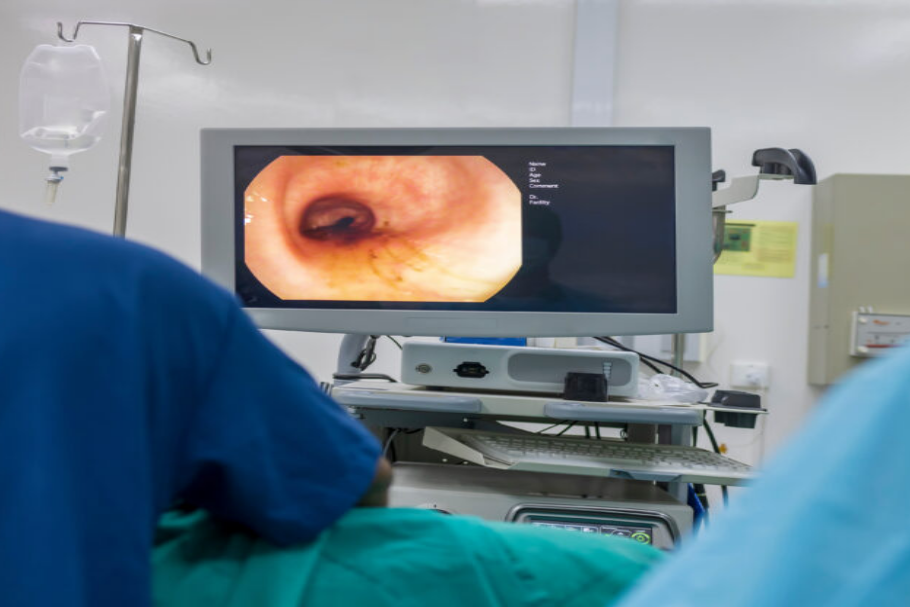
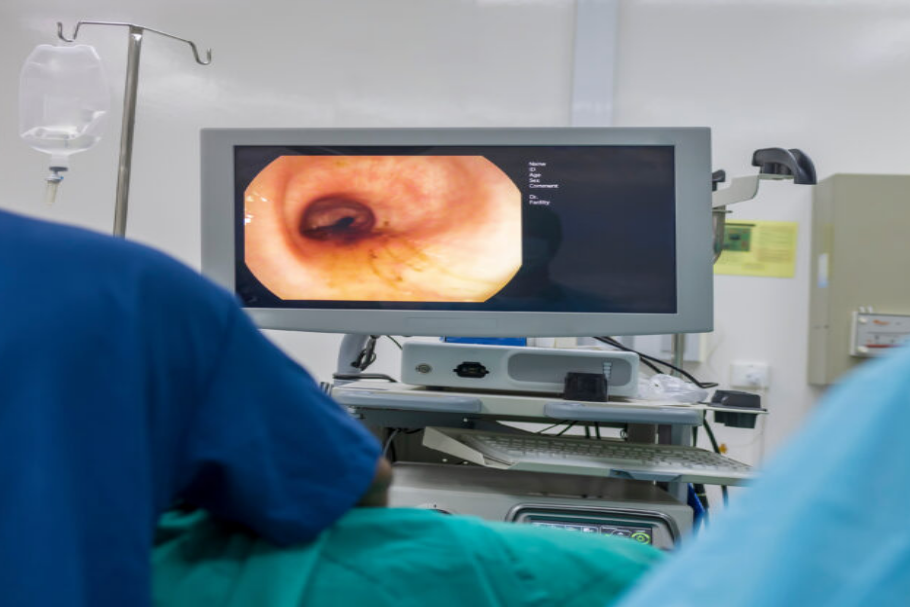
Endoscopy and colonoscopy These are both procedure used to examine the interior of the body, particulary the gastrointestinal (GI) tract, but they focus on different areas and are performed using different techniques.
Endoscopy procedure is used to examine the upper part of the GI tract, including the esophagus, stomach and the beginning of the small intestine (duodenum). Procedure: An endoscope, which is a flexible tube with a light and camera at the end, is inserted through the mounth and guided down the throat into the esophagus and stomach. Uses: Diagnosing and treating conditions like ulcers, gastritis, celiac disease and esophageal or stomach cancers. It can also be used to take biopsies and remove foreign objects.